TREND FORECAST
Mr Marvis expands beyond 25 stores to 32: European growth strategy and the reinforcement of brick-and-mortar in a hybrid era
Dutch menswear label Mr Marvis surpasses its 25-store target, pushing toward a 32-location network while sharpening its European expansion through brick-and-mortar flagship strategy, selective markets, and a growing omni
Mr Marvis expands beyond 25 stores to 32: European growth strategy and the reinforcement of brick-and-mortar in a hybrid era
The Dutch menswear upstart Mr Marvis is accelerating its physical footprint as it edges past a targeted 25 stores and eyes a broader European footprint. With a Berlin flagship opened in November and a total of 29 stores currently in operation, the label is positioned to close 2026 with 32 stores and to deepen its European pull by exploring markets including Austria, Switzerland, Italy and Spain. This strategic push follows a deliberate shift that began in 2023: brick-and-mortar retail has emerged as a critical growth pillar alongside a robust online presence, reinforcing a long-term strategy that values tangible store experiences as a complement to its digital channel.
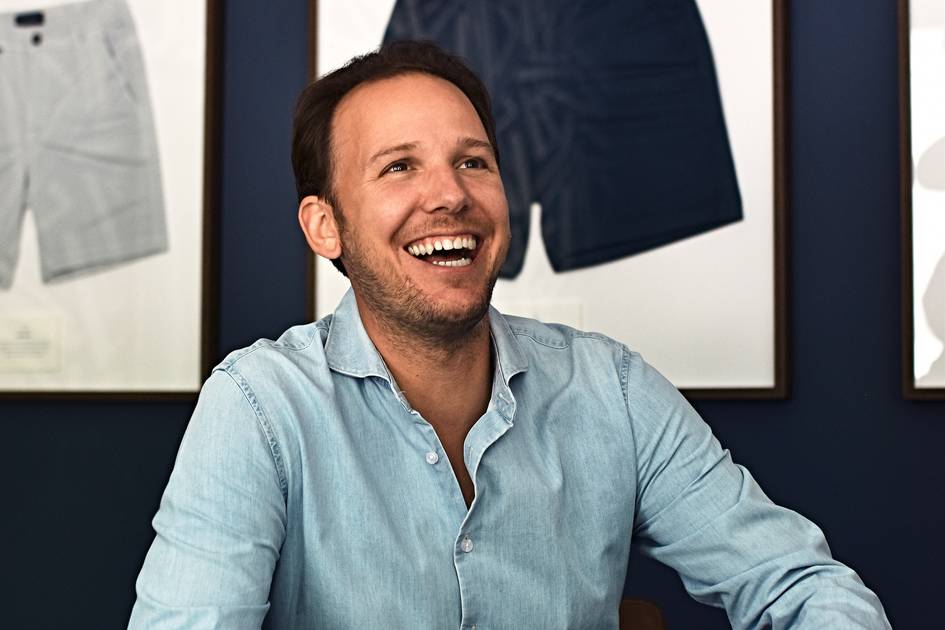
Co-founder David Sipkens describes the expansion as a deliberate alignment of brand identity with location strategy. Mr Marvis operates within a spectrum of high-street accessibility and luxury-adjacent positioning, choosing stores in proximity to premium brands to reflect a quality-led aesthetic while maintaining approachable pricing. The company’s gradual evolution—from shorts-only online origin in 2016 to a broader wardrobe offering that includes trousers, tops, and accessories alongside its signature shorts—frames its physical stores as experiential touchpoints for customers who still crave in-person shopping.
Retail has become one of the most important growth pillars for us.
The company’s store network growth mirrors its data-driven approach to site selection. Rather than relying solely on online demand, Mr Marvis analyzes where online customers live, how they behave, and which cities generate the highest e-commerce revenue. This data-informed lens helps identify viable physical locations, including emerging luxury-adjacent markets in central Europe, and highlights the strategic importance of a coordinated online-offline sales architecture. Sipkens notes that some markets with strong online performance still require physical presence to convert shoppers who prefer an in-store experience.
Beyond the core markets of the Netherlands, Germany, Belgium, France and the UK, Mr Marvis is looking to embed itself in Austria (with Vienna anticipated in December) and France’s expanding footprint, while evaluating Switzerland, Italy and Spain as potential locations. In parallel, the brand is exploring shop-in-shop concepts within larger retailers to extend reach in Southern Europe and to test new retail models that fuse online and offline strengths without diluting the brand identity.
The brand’s retail expansion is not driven by rapid fashion turnover but by a slow-fashion creed that anchors its merchandising in longevity. The Originals—original shorts introduced a decade ago—remain anchored in the collection, complemented by new colorways and periodical range expansions. This approach aligns with the broader industry shift toward durability and responsible product cycles, a narrative reinforced by Mr Marvis’ B Corp recertification under B Lab’s stricter framework in September. This certification reinforces the brand’s commitment to governance, workers’ rights, environmental stewardship, and transparent supply chains.
From a retail operations standpoint, the convergence of online and offline channels is accelerating. While e-commerce remains the single largest channel, brick-and-mortar stores are expanding faster, signaling a balanced omni-channel trajectory with an eventual aim for near 50/50 sales split. The growth strategy includes experimenting with alternate retail formats, such as standalone stores and shop-in-shops within other retailers, to optimize footprint while preserving the brand’s luxury-casual identity.
We closely monitor the growth of our online business. For instance, we receive many orders from Switzerland, while Italy and Spain are also key markets.
The European trajectory comes with implications for merchandising teams and retail operators. Market entry decisions are informed by mix optimization—balancing core staples with seasonal updates and colorways that align with regional preferences. The strategy also implies a tighter collaboration between e-commerce and physical stores, ensuring consistent product availability, single-brand storytelling, and a seamless customer experience across touchpoints.
KEY TAKEAWAY
Omnichannel maturity is a competitive differentiator: Mr Marvis integrates its data-driven location strategy with a slow-fashion, high-quality product, using shop-in-shop concepts and multi-market testing to scale thoughtfully while preserving brand identity.
- Store expansion targets: 32 stores by end-2026, with openings in Vienna and additional London expansion.
- Market focus: Austria, Switzerland, Italy, Spain, and potential entries in France and Belgium via anchored locations.
- Retail model experimentation: standalone stores and shop-in-shops to extend reach in Southern Europe.
- Product strategy: maintain Originals shorts and expand colorways; leverage slow-fashion cadence for longer product lifecycles.
- Sustainability signal: B Corp recertification reinforces governance and supply-chain standards.
For luxury and premium-casual operators, Mr Marvis’ approach signals a broader industry lesson: growth can be paced and brand-centric when anchored in data, store salience near premium clusters, and a merchandising plan that sustains product longevity. As European markets recover and fashion buyers increasingly seek in-person brand experiences, the label’s dual emphasis on online optimization and brick-and-mortar presence offers a template for sustainable expansion that aligns with the contemporary retail landscape.