TREND FORECAST
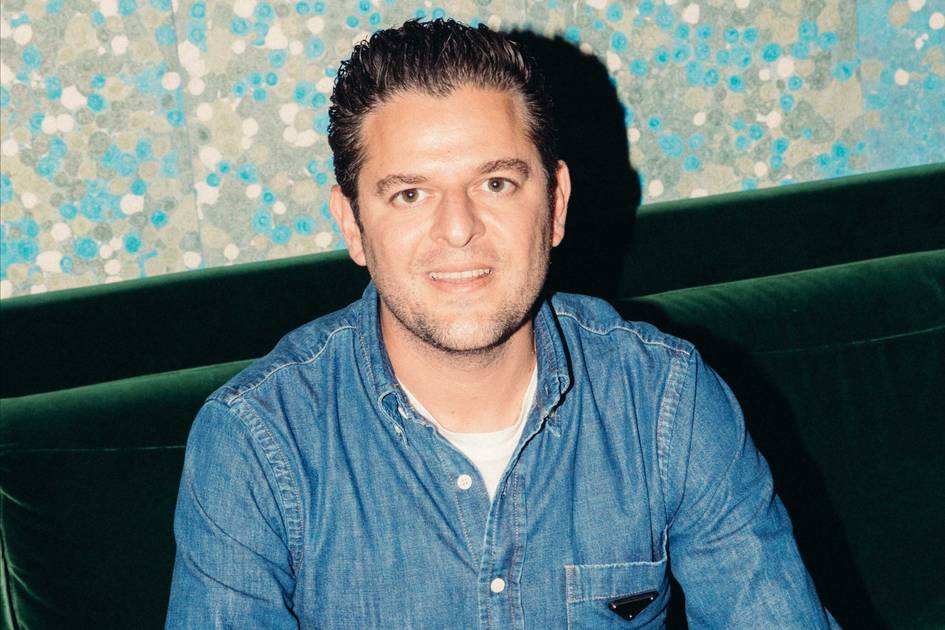
David Epstein: Frasers executive to steer Hugo Boss through a strategic reset
Frasers executive David Epstein is set to become Hugo Boss’s CEO, signaling a shift in leadership as the German label pursues a brand-led revival and a retooled distribution strategy amid a challenging backdrop.
David Epstein: Frasers executive to steer Hugo Boss through a strategic reset
Hugo Boss has named David Epstein, Frasers Group’s chief brand partnerships officer, as its next chief executive, effective after Daniel Grieder steps down at year-end. The appointment thrusts a multi-brand retail specialist—deeply embedded in Frasers’ strategy to elevate premium and luxury offerings—into the helm of a German fashion stalwart undergoing a high-stakes strategic reset. The move mirrors a broader industry trend: owners and operators with a track record in elevating brand experiences are increasingly stepping into leadership roles at luxury houses seeking to recalibrate brand positioning, store formats, and distribution quality amid slowing demand and currency headwinds.
Epstein’s career spans the transformation of Frasers Group from a discount-led retailer into a multi-brand platform that emphasizes premium and luxury partnerships. Since joining Sports Direct in 2015, he has held roles spanning business development, House of Fraser leadership, and, most recently, oversight of Frasers’ premium and luxury segment. His responsibilities included building relationships with flagship brands and expanding Flannels, the group’s luxury-focused retail chain, which has become a bellwether for how Frasers tests store formats, brand partnerships, and omnichannel integration.
David Epstein knows what it takes to build strong brands, elevate the consumer experience, and drive a business forward.
At Hugo Boss, Epstein inherits two flagship brands—Boss and Hugo—while entering a company navigating a strategic reset designed to strengthen brand appeal, improve distribution quality, and refocus pricing discipline. The transition comes as Hugo Boss faces a tougher financial environment: third-quarter sales declined, and currency-adjusted sales are expected to fall for 2026, with operating profit under pressure. The appointment also aligns with a broader Frasers-led governance shift, as Michael Murray moved to chairman of Hugo Boss’s supervisory board and Frasers extended its stake to a controlling majority.
Epstein’s approach at Flannels—emphasizing regional consumer reach beyond London, expanding smaller-format stores, and testing new categories such as lingerie and beauty—offers a blueprint for how he might rebuild Hugo Boss’s physical and digital store portfolio. The flagship Leeds store, housed in a former Debenhams site, demonstrates a model that blends luxury brands with beauty, activewear, and resale components under one roof, reflecting a testing ground for assortment breadth, category depth, and collaborative partnerships with premium brands.
Epstein’s transfer from retailer-facing leadership to brand governance at Hugo Boss will shift the emphasis from supplier negotiations to brand positioning, retail partner management, and product pricing discipline. His history of testing categories and formats—paired with Frasers’ “elevation strategy” of larger stores and higher-end shopfitting—could signal a push toward a more premiumized, experience-driven network for Hugo Boss. Yet his success will hinge on translating a luxury retail playbook into a controlled, consistent brand narrative across global markets and wholesale partners.
Industry context matters. Hugo Boss’s earnings trajectory, currency exposure, and IT-related depreciation imply that operational efficiency and cost discipline will be critical in 2026. Epstein’s early mandate is likely to involve stabilizing sales decline, accelerating the brand reset, and maintaining a coherent price architecture across owned stores, e-commerce, and wholesale channels. The leadership transition also raises questions about the balance between Frasers’ retail interests and Hugo Boss’s standalone brand integrity, particularly as the retailer-turned-owner continues to control a significant portion of the brand’s distribution.
What to watch next: the specifics of Epstein’s strategy—shop concepts, brand collaborations, and the cadence of store openings or remodels—will be key signals for how Hugo Boss negotiates a more selective distribution approach. Expect closer scrutiny of pricing consistency across markets, and a potential re-ordering of the wholesale partner roster to align with a renewed brand narrative. The alignment between Hugo Boss’s product strategy and Frasers’ premium-luxury ecosystem will also need careful governance to avoid channel conflict while preserving growth opportunities.
KEY TAKEAWAY
Epstein’s career mapped in Frasers’ luxury push — test-and-scale in store concepts, expand brand partnerships, and push regional breadth. Hugo Boss’s next chapter will hinge on translating that playbook into a disciplined, globally cohesive premium strategy.
- Assess Hugo Boss’s current store footprint and determine which markets benefit from more flagship formats versus streamlined concessions.
- Define a pricing and discount discipline that preserves luxury positioning across wholesale and owned channels.
- Clarify the role of third-party retailers in supporting brand growth while safeguarding exclusivity where needed.
- Invest in category testing (beauty, activewear, lingerie) consistent with the premium direction, ensuring a coherent customer journey.
- Communicate a clear long-term roadmap for leadership and governance to reassure employees and partners.