TREND FORECAST
Jandéqene’s First Collaboration with Aly Kima Signals a Next Chapter in Silk, Experiential Retail and Brand Craft
Jandéqene launches its first collaboration with Aly Kima, aiming to deepen its identity in silk-led ready-to-wear, expand into accessories, and build physical retail experiences in New York to engage customers beyond eco
Jandéqene’s First Collaboration with Aly Kima: A Deliberate Step Toward Omnichannel Craft
Observation: Jandéqene is pairing its signature hand with silk-focused design in a two-piece capsule that fuses Aly Kima’s style references with the brand’s backless detailing. The project is positioned not as a race to milestone metrics but as a measured expansion of the brand voice.
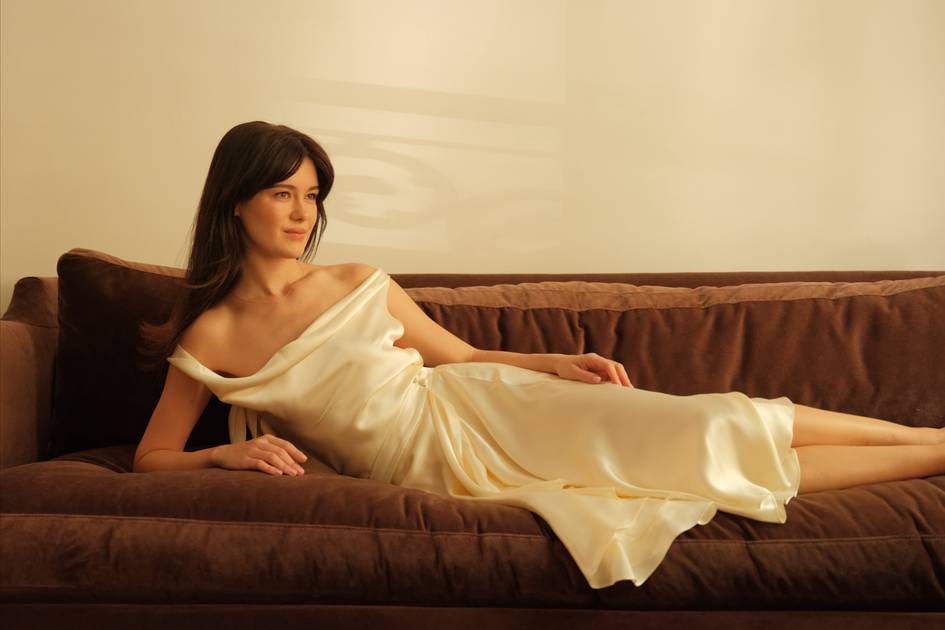
The capsule centers on a two-piece silk set built around the Aly Skirt and the reinterpreted Justin Top. Its references lean toward Audrey Hepburn and Parisian chic, translated through Jandéqene’s materials and detailing. The campaign was shot in a Parisian townhouse, reinforcing a luxury narrative anchored in heritage and craft.
"We chose not to rush our first collaboration just to hit a milestone; we waited until our brand voice was completely grounded."
Guo frames the collaboration as organic, arising from a longstanding friendship with Aly Kima and a casual lunch idea that evolved into a formal project. This origin story is deployed as evidence of intentional brand partnerships that align with a long-term store strategy rather than opportunistic drops.
Guo notes silk's centrality to the label’s identity, tracing the fiber to personal heritage and a grandmother’s Beijing home sewing legacy. The silk-driven vocabulary informs both product and the customer experience, a theme she intends to extend into future categories and retail formats.
KEY TAKEAWAY
A considered collaboration can amplify a niche luxury label by translating heritage fibers (silk) into contemporary silhouettes, while laying groundwork for experiential retail that supports conversion beyond ecommerce.
Beyond the capsule, Guo signals a deliberate strategy to expand into accessories that complement silk pieces, while maintaining a core focus on women’s ready-to-wear. The emphasis on accessories suggests an early path to category diversification that can improve cross-sell, wardrobe building, and average order value for a boutique brand with a strongly narrative product language.
Physical retail experiences are another pillar. Guo describes ambitions for temporary pop-ups and dedicated showroom spaces in New York to deepen customer relationships, provide tactile experiences of drape and craftsmanship, and balance the online-first nature of a young label with immersive, community-driven spaces.
Why this matters now: In a market where luxury buyers increasingly seek brand storytelling plus experiential access, Jandéqene’s approach aligns with a broader shift toward hybrid models—where curated capsules, heritage fabrics, and physical touchpoints coexist with an ecommerce backbone. The collaboration’s origin story, tied to personal relationships and a careful brand-building phase, is a prototype for how emerging labels can scale without diluting their craft.
For operators and merchandising teams, the lesson is twofold: first, the value of authentic collaborations that reflect a brand’s narrative and elevate product complexity; second, the necessity of planning physical experiences as a complement to digital channels, designed to convert-at-once and retain customers long-term.