TREND FORECAST
Fresh start or cautious step: Ispo Amsterdam tests the market for running, outdoor, and sustainable futures
The first Ispo in Amsterdam signals a mixed reception: international buyers lean in, German brands hold back, and exhibitors test a new format focused on emerging labels, parallel running expo IRX, and a sustainability-c
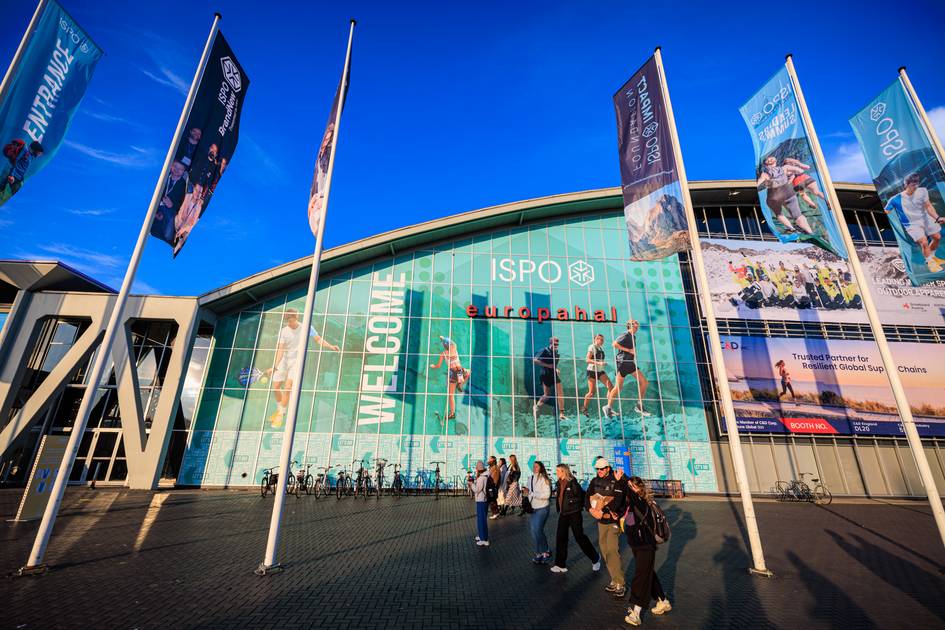
ISPO Amsterdam: a cautious debut with signals for the next phase
Context and cadence: After more than 55 years in Munich, Ispo expanded to Amsterdam, shortening the gap between European buyers and brand discovery. The 2026 edition arrived with a two-day format, a Leaders Summit, and a parallel running expo (IRX) accessible on the same ticket, signaling a deliberate alignment toward executive content and cross-category synergy. The event, organized by a joint venture of Raccoon Media Group and Messe München, aimed to accelerate return on engagement and return on investment for brands and retailers in a shifting marketplace.
Participation patterns reveal a bifurcated market:. international exhibitors from Northern Europe, the UK, and the US embraced Amsterdam as a gateway, while German companies largely sat out or attended as visitors. Tracy Bebbington, managing director of Ispo, described a curious positivity around the fair’s debut, with brands, retailers, and manufacturers heavily involved. Yet a definitive assessment awaits participant feedback, underscoring how the format change—including Brandnew, parallel running, and sustainability initiatives—will be judged in follow-up surveys.
Format and strategic intents: Ispo Amsterdam repositioned the hosted buyer program, activated content and activations, and rolled out an Impact Fund with a charitable dimension. The event also emphasized return on engagement for exhibitors and visitors, indicating a shift from the Munich mega-format to a more modular, ROI-focused experience. The presence of IRX while itself a dedicated running fair amplified the running and outdoor narrative, a core category for many brands and retailers seeking athletic-bred lifestyle relevance.
Brand dynamics on the floor: The Brandnew area, co-curated with YKK, showcased emerging brands that could exhibit for fixed price and present on stage. This setup addressed buyers’ appetite for discovery and edgier, smaller brands that can complement big-name lines with novel propositions. South Korean start-up Darimati—launched April via Kickstarter—positioned itself as a hybrid running shoe brand focusing on stability and injury risk reduction, signaling a trend toward shopper safety and performance-driven design at the point of sale.
Significant exhibitors and geographic spread: German outdoor names (Jack Wolfskin, Lowa, Deuter) were notably underrepresented; UK, Belgian, Dutch, and Luxembourg retailers reported stronger engagement across the floor. US brands like Skechers and Fabletics also participated, with Fabletics signaling a European denim expansion in 2027 as part of its incremental push. Observers noted that wholesale remains pivotal for several brands—a factor that may influence format choices in future iterations (e.g., possible spring editions to align with wholesale buying calendars).
IRX and cross-category testing: The IRX running expo ran in parallel, drawing attention to runners and running-adjacent categories (apparel, footwear, accessories, nutrition). The Swiss maker Scott described limited buyer presence but affirmed the value of wholesale and the potential benefits of a spring edition for sporting goods, where seasonal looks can be showcased with less competitive floor space pressure. The broader implication is that running and outdoor segments may demand staggered attendance to sustain brand exposure and retailer conversations across seasons.
Sustainability as a structural pillar: A dedicated Sustainability Hub and the Textrends boards highlighted a dual track: (1) circularity and chemistry improvements across textiles, and (2) digitalisation and data-enabled design-to-production workflows. Notably, the Looping the Loop megatrend centers on textile-to-textile recycling, new feedstocks, and bio-based alternatives; Smart Shift foregrounds AI, automation, and data; Play On! invites outdoor activity to counteract screen time. Material-level storytelling emphasized natural fibers (wool, hemp, linen, silk) alongside lighter, packable constructions and cleaner dyeing processes, signaling a cohesive message to fashion operators about future sourcing choices and supply chain resilience.
What this means for fashion operators: For luxury, performance-driven athleisure, and outdoor labels, Amsterdam’s ISPO edition offers a testing ground for discovery-driven wholesale strategies and multi-brand engagement. The Brandnew area provides a pipeline for emerging labels to demand attention in a crowded marketplace, while the sustainability hub and Textrends boards offer a framework for long-term material innovation and operational efficiency. The coalescence of running, outdoor, and apparel brands under one roof suggests that retailers must recalibrate their event calendars to optimize exposure to both established and nascent labels, especially if they want to participate in cross-category initiatives like live demonstrations, on-site testing, and experiential brand stories.
KEY TAKEAWAY
Operator takeaway: ISPO Amsterdam validates a multi-track approach to wholesale and brand discovery. Operators should watch: (1) how Brandnew candidates scale post-event, (2) the ROI/ROE signals from hosted buyers and content activations, (3) the willingness of German-speaking markets to re-enter in future editions, and (4) sustainability-driven supply chain innovations that could redefine sourcing strategies for 2027–2029. For luxury and premium sportswear brands, the event underscores the growing importance of cross-category partnerships, test-and-learn formats, and a transparent, data-driven narrative about circularity and efficiency.
The takeaway for practitioners: The first ISPO Amsterdam demonstrates a market returning to activity with a cautious optimist stance. Buyers are signaling a preference for breadth—more brands, more discovery—paired with a clear appetite for sustainability narratives and digital-enabled design and sourcing. For operators, the event signals that a durable, modular format with strong executive content can coexist with large-scale product testing and cross-category engagement. The next edition will tell us whether this debut translates into a repeatable playbook across European markets.