MARKET
Frasers takes control of Hugo Boss as stake crosses 50%: a turning point for fashion power consolidations
Frasers Group has moved Hugo Boss into its orbit, crossing the 50% threshold and consolidating the German house as a subsidiary. The move reshapes ownership, governance, and the management of a brand positioned at the in
Frasers Takes Control of Hugo Boss as Stake Crosses 50%: Implications for Fashion Operators
Context and scale: Frasers Group has crossed the 50% threshold to become the majority owner of Hugo Boss AG, elevating the Metzingen-based brand from independent issuer to subsidiary. The move culminates a months-long campaign that began with a cash offer and ultimately reshaped both companies’ governance and financial reporting. Frasers now consolidates Hugo Boss’s earnings, assets and liabilities into its accounts, signaling a strategic intent to unify a portfolio that blends sport, luxury, and premium lifestyle brands under a single retail and distribution umbrella.
What changed and when: Frasers increased its stake through a series of public moves. After launching an €38 per-share bid in June, Hugo Boss rejected the offer as financially inadequate. By August the direct stake had climbed from 26.06% to 47.89%, and by October 19 it stood at 48.8%. The latest purchase—198,666 shares for around €7.6 million—pushed the holding to 50.08%. This is not merely a financial milestone; it marks a governance shift: Stephan Sturm stepped down as supervisory board chairman, Michael Murray assumed the top job at Hugo Boss, and key executives including the CFO changed hands.
The consolidation of Hugo Boss under Frasers reflects a broader strategy to create a diversified, high-velocity fashion conglomerate that can leverage shared services, omnichannel capability, and cross-brand synergies.
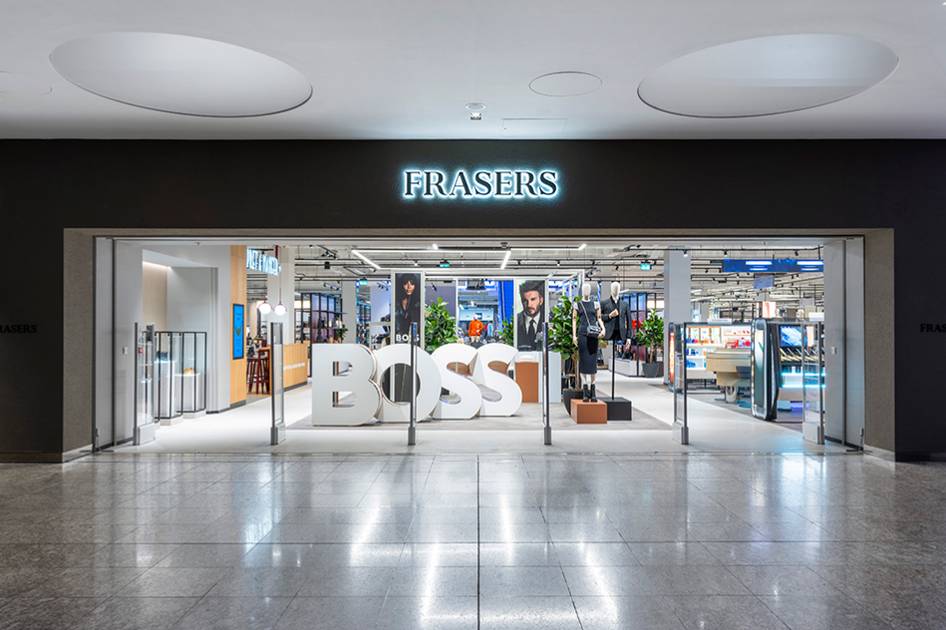
Why this matters for operators: For retailers and brand operators, a majority-owned Hugo Boss implies closer alignment of strategic priorities, potential supply chain optimization, and a unified approach to merchandising, pricing, and distribution. Frasers already operates across a multi-brand platform that includes Sports Direct, House of Fraser, Flannels, Harvey Nichols, and a growing luxury unit. Integrating Hugo Boss could enable shared procurement, data-driven assortment planning, and cross-brand campaigns that leverage scale while preserving brand identity.
What it signals for the luxury and premium segments: The Hugo Boss situation under Frasers highlights a broader industry trend: ownership convergence and the potential for a retailer-operator to steer a luxury brand’s strategic levers, from product development to flagship experiences. Hugo Boss sits at the intersection of contemporary luxury and accessible premium, a space where consumer expectations continually pressure brands to modernize, digitalize, and diversify distribution. A Frasers-led Hugo Boss could pursue intensified e-commerce investment, enhanced store formats, and selective partnerships that amplify brand resonance while maintaining price integrity.
KEY TAKEAWAY
Operator leverage and risk: Consolidation under Frasers creates opportunities for scale benefits (procurement, logistics, data) but concentrates governance risk under a single owner. Expect closer scrutiny of brand strategy, capital allocation, and potential leadership transitions across the portfolio. Operators should watch for how Hugo Boss redefines its store formats, e-commerce investments, and product cadence under a diversified parent.
What next: The market will scrutinize Hugo Boss’s earnings trajectory and working capital as consolidation takes root. Will Frasers accelerate investment in Hugo Boss’s digital commerce and international expansion, or will it recalibrate some of the brand’s underperforming segments? Also on the radar: executive leadership alignment, cost optimization programs, and potential cross-brand initiatives like flagship concepts or premium retail formats that leverage the Frasers Luxury division platform.
- Consolidation signals a strategic move toward integrated portfolio management across luxury and premium brands.
- Expect enhancements in procurement and distribution efficiency through shared services.
- Governance and leadership transitions may continue to shape Hugo Boss’s performance in the near term.
- Cross-brand marketing and flagship concepts could amplify exposure and consumer reach.
- Monitor Hugo Boss’s earnings visibility as consolidation stabilizes and synergies mature.